
Implantable component development / Prototype & pre-DV
From drawing.To pre-design verification.
Implantable nitinol, stainless steel and cobalt chrome components for prototype and pre-design-verification builds. No minimum order. Built for the work before design validation.
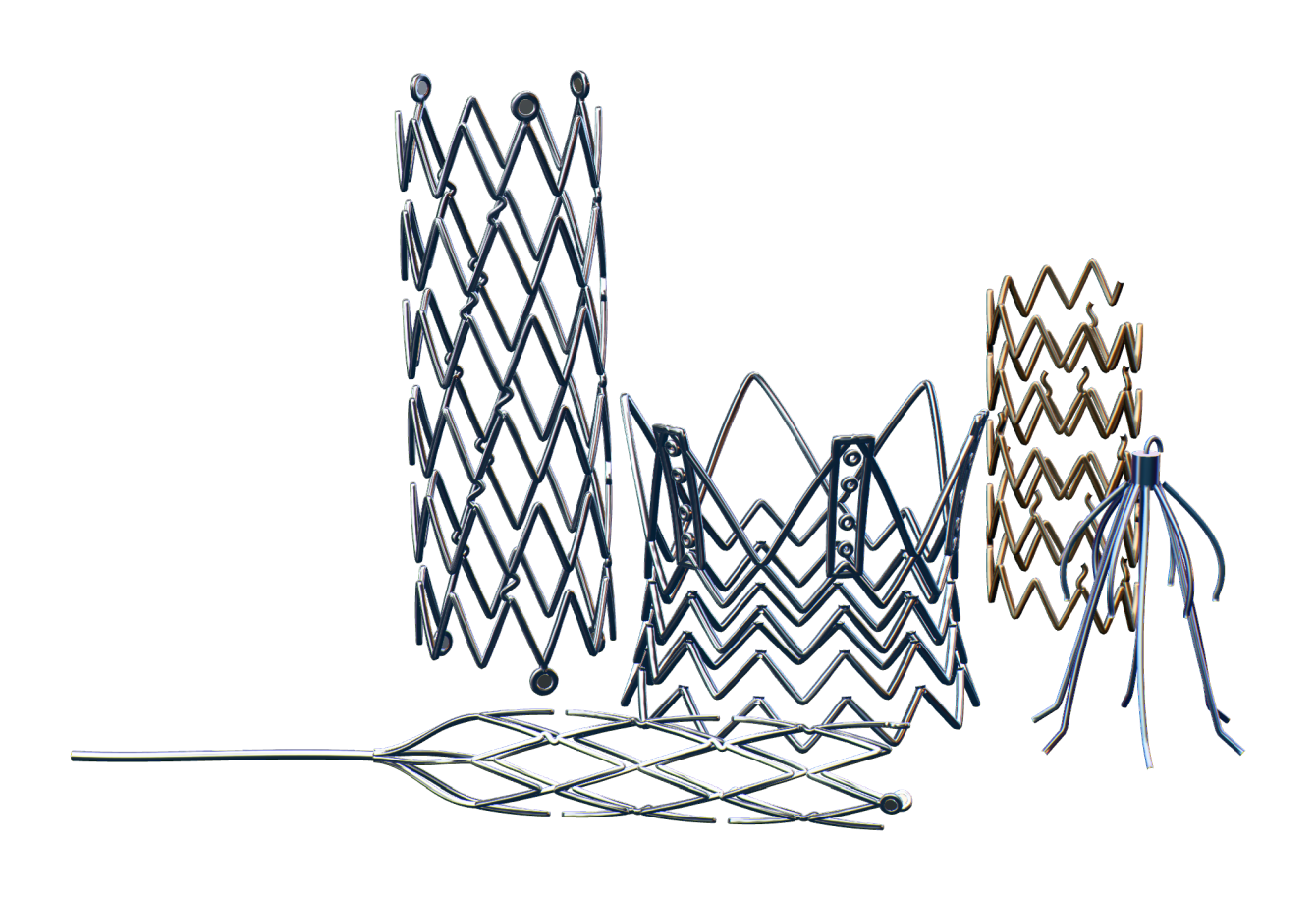
The work before validation
A drawing is a starting point. Not a finished process.
Before design verification, a drawing must become a component that can be built, inspected and evaluated. The manufacturing route is part of that development work.
A change to geometry may also change tooling, processing parameters or finishing requirements. EC helps engineering teams work through those connections while the design is still open to change.
- 01
Build what the program needs.
From a first article to a small development lot, quantity follows the engineering objective. No minimum order.
- 02
Changes can be worked into the build.
Revisit tooling, processing and inspection as features or requirements change.
- 03
Record what matters.
Keep relevant settings, observations and inspection results connected to each revision.
Implantable materials
Three metals. Different development questions.
Material selection shapes the processing route. Each alloy brings different considerations for forming, surface condition and evaluation.
Nitinol
Shape setting and thermal history influence the response of nitinol components. Geometry, fixtures and surface finishing must be considered together.
Which shape, response and surface characteristics need to be evaluated?
Explore nitinol development →Stainless steel
Feature definition, edge condition and surface finish deserve attention alongside dimensional requirements. The processing route should support the intended component evaluation.
Which dimensions, edges and surfaces are critical to this revision?
Cobalt chrome
Complex features and demanding surface requirements make process selection and inspection planning important early in cobalt chrome component development.
Which features and surface characteristics must be demonstrated in this build?
Material and process decisions
The alloy is only one input. Geometry, tooling, processing sequence, finishing and inspection together determine what a development build can demonstrate.
Where could a process decision change the result?
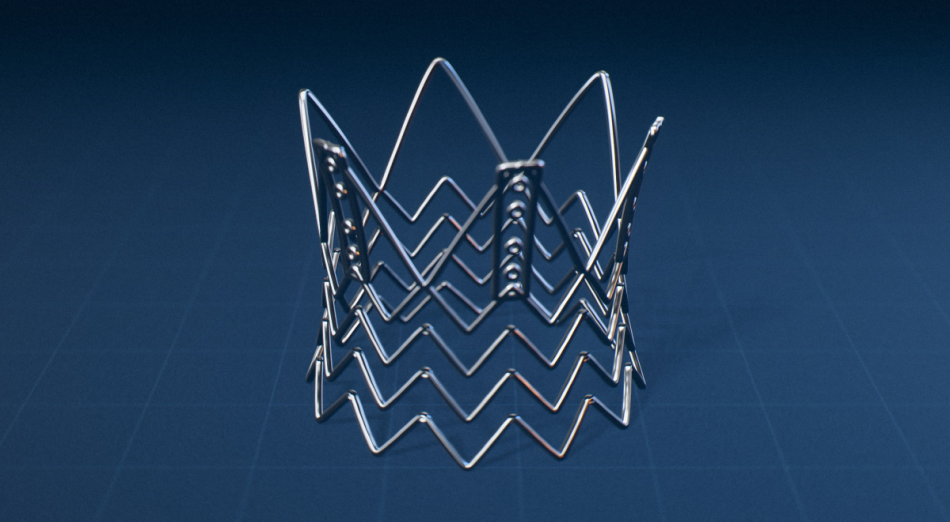
Part + process
Develop the component.
Understand the process.
A part can meet its drawing and still leave important questions unanswered. Fixtures, thermal processing, surface preparation and finishing can influence component behavior and inspection results.
For nitinol work, that may mean developing shape-setting conditions, refining an etch or electropolishing approach, or investigating inconsistent surface results. The exact route depends on the component, alloy and requirements.
EC works with OEM engineering teams on development builds and process questions—not as a replacement for their production partners.
Nitinol component development →Process development & transfer →
From drawing to pre-DV
Four decisions that move a component forward.
Each build has a different purpose. These four checkpoints help turn an evolving drawing into a more defined pre-DV component.
- 01 / DEFINE
What is fixed—and what is open?
Identify the alloy, critical features, tolerances and intended function. Flag assumptions that still need testing.
- 02 / DEVELOP
Which route will make the part?
Select and refine tooling, processing steps, finishing and inspection around the current design.
- 03 / ITERATE
What changed between builds?
Compare parts, measurements and processing observations so the next revision has a clear rationale.
- 04 / PREPARE
What needs to be controlled next?
Identify critical characteristics, process settings and records that should become more defined before formal verification.
The output is more than a set of parts: it is a clearer component definition and a better-informed next build.
Common questions
Questions engineering teams ask before pre-DV.
Is there a minimum order?
No. Emerging Components supports development-stage builds with no minimum order.
Can the design still be changing?
Yes. First articles, prototypes, design revisions and pre-DV builds are the focus.
Does EC support process development?
Yes. EC supports development of component-processing methods and can help transfer defined processes into an OEM’s existing operation. EC does not supply or build production equipment.
Process development & transfer →Is EC a high-volume manufacturer?
No. EC concentrates on first articles, prototypes, small lots and pre-DV builds. Production-scale manufacturing can remain with the OEM or its selected production partner.
Your next development build
Send us the drawing.
Tell us what’s next.
Share the part, the material, the development stage and what your team needs to learn. You do not need a finalized production process to begin the conversation.
Development is our lane.
Implantable nitinol, stainless steel and cobalt chrome components, from first article through pre-design-verification builds.
- No minimum order
- Prototype and iteration builds
- Component and process expertise
- Pre-DV development focus
Built for the Work Before Design Validation.